
Why Esports Is the Future of Competitive Gaming
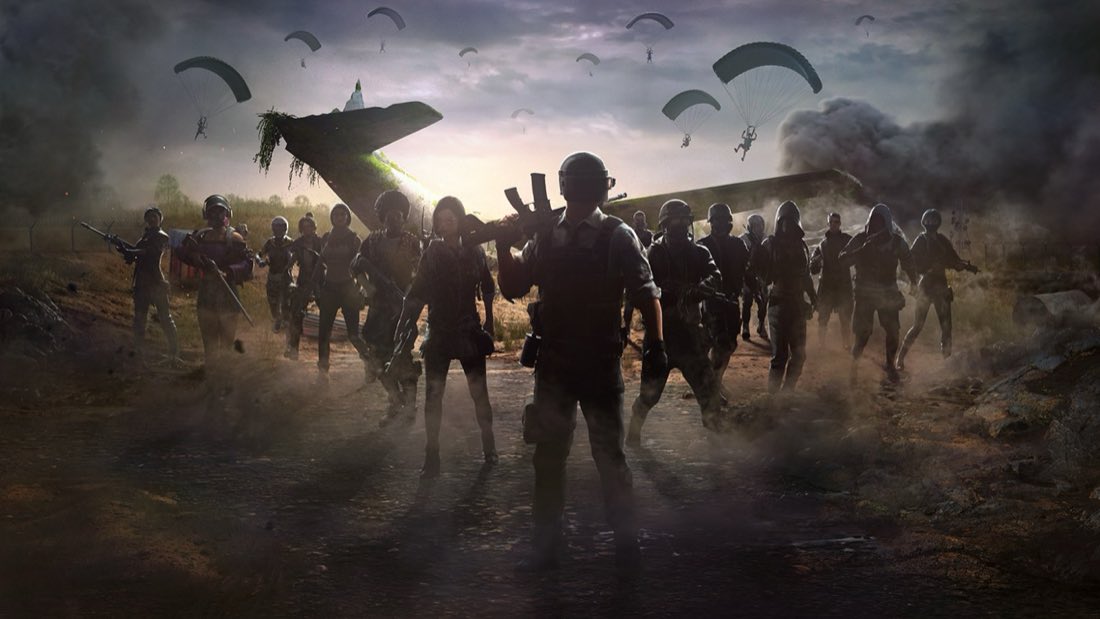
Esports has gone from LAN-party hobby to a genuine global industry in about two decades. The biggest tournaments now draw audiences in the tens of millions, prize pools that rival or beat traditional sports, and sponsorship deals from brands that have nothing to do with gaming. The Olympic movement runs its own Esports Games. Governments, Bangladesh's among the most recent, are formally recognising it as a sport. None of that happens to a fad.
A big part of why it grew this fast is accessibility. Traditional sports need a stadium, specific physical training, and often expensive equipment. Esports mostly needs a phone or a PC and an internet connection. That is exactly why competitive gaming exploded in mobile-first markets like Bangladesh: titles like PUBG Mobile and Mobile Legends: Bang Bang built massive competitive scenes here without anyone needing a home ground or a coaching academy to get started.
It also created real career paths that did not exist a decade ago: professional players, coaches, casters and commentators, tournament organizers, and full-time content creators. You do not have to go pro to benefit from that ecosystem either; a strong competitive track record is itself worth something now, the way a good amateur record has always mattered in traditional sports.
None of this is chance-based growth. Every one of those numbers (the viewership, the prize pools, the government recognition) is downstream of the same fact: esports outcomes are decided by skill, the same as any other sport. That is the whole premise ComCom Games is built on. Structured brackets, leaderboards, and single-match lobbies across the games people already play, so that skill in Bangladesh has somewhere real to compete.
If you have not tried a tournament yet, there has never been a better time to start. Browse what is open right now on the Tournaments page.
Frequently asked questions
- Why has esports grown so fast?
- Accessibility is the biggest reason: esports mostly needs a phone or PC and an internet connection, unlike traditional sports that need a stadium, training facilities, or expensive equipment. That is exactly why it exploded in mobile-first markets like Bangladesh.
- What career paths exist in esports beyond going pro?
- Coaches, casters, commentators, tournament organizers, and full-time content creators are all real paths. A strong competitive track record is also worth something on its own, even without going pro.